
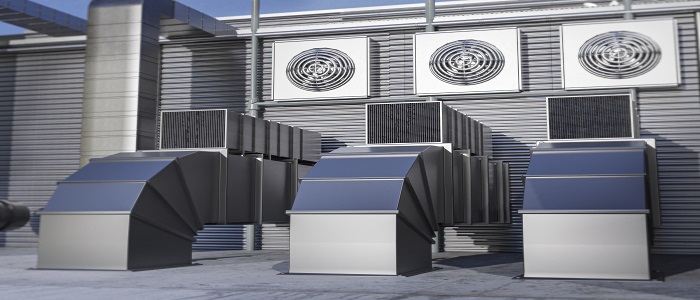
Why HVAC is Critical for Industrial Spaces
In today’s industrial environment, HVAC systems are no longer optional—they are mission-critical infrastructure. Factories, warehouses, and production units rely heavily on industrial HVAC systems to maintain temperature control, air quality, and operational efficiency.
Unlike residential or small commercial setups, industrial spaces in Delhi NCR face unique challenges:
- Large floor areas
- High heat-generating machinery
- Dust, fumes, and pollutants
- Continuous operations
Without a proper HVAC system, these challenges can lead to reduced productivity, equipment damage, and unsafe working conditions.
This is where advanced industrial HVAC solutions come into play.
Companies like Vigasa Industries specialize in delivering custom HVAC systems for factories and warehouses, ensuring efficiency, safety, and long-term performance.
What Are Industrial HVAC Systems?
Industrial HVAC (Heating, Ventilation, and Air Conditioning) systems are specially designed to manage temperature, humidity, and air quality in large-scale industrial environments.
These systems are engineered to handle:
- Heavy-duty operations
- Large air volumes
- Continuous usage
- Harsh environmental conditions
Key Functions of Industrial HVAC Systems
- Temperature control for machinery and workforce
- Ventilation to remove fumes, dust, and pollutants
- Humidity control for sensitive materials
- Air filtration for better indoor air quality
Industrial HVAC systems play a crucial role in maintaining safe and efficient working environments.
Why Factories & Warehouses in Delhi NCR Need Advanced HVAC Solutions
Delhi NCR’s climate adds another layer of complexity to industrial operations.
- Extreme summers (high cooling demand)
- Dust and pollution levels
- Humidity fluctuations
These conditions make HVAC system design and maintenance even more critical.
- Major Challenges Without Proper HVAC
- Overheating of machinery
- Poor air circulation
- Employee discomfort and fatigue
- Product quality issues
- Increased energy consumption
Benefits of Industrial HVAC Systems
- Improved worker productivity
- Better air quality and safety
- Protection of machinery and goods
- Energy-efficient operations
- Compliance with industrial safety standards
With solutions from Vigasa Industries, businesses can achieve optimized industrial environments tailored to their needs.
Types of Industrial HVAC Systems for Factories & Warehouses
Choosing the right HVAC system depends on space size, industry type, and operational requirements.
- Centralized HVAC Systems
These systems are designed to cool or heat large industrial areas from a central unit.
Features:
- Uniform temperature distribution
- Suitable for large factories
- High efficiency for continuous operations
- VRF/VRV Systems (Variable Refrigerant Flow)
VRF systems provide flexible and energy-efficient cooling.
Benefits:
- Independent temperature control
- Energy savings
- Ideal for mixed-use industrial spaces
- Air Handling Units (AHUs)
AHUs are responsible for air circulation, filtration, and ventilation.
Used For:
- Clean air environments
- Manufacturing units
- Warehouses requiring air quality control
- Evaporative Cooling Systems
A cost-effective solution for large open spaces.
Advantages:
- Lower energy consumption
- Ideal for warehouses
- Eco-friendly cooling
- Industrial Ventilation Systems
Focused on removing heat, fumes, and pollutants.
Includes:
- Exhaust systems
- Fresh air systems
- Dust control systems
Selecting the right system with expert guidance from Vigasa Industries ensures maximum efficiency and cost savings.
Key Components of Industrial HVAC Systems
Industrial HVAC systems consist of multiple components working together to ensure optimal performance.
Core Components
- Compressors → Drive the cooling process
- Condensers → Release heat
- Evaporators → Absorb heat
- Air ducts → Distribute air
- Thermostats & controls → Regulate temperature
Additional Components
- Air filters for clean air
- Fans and blowers for circulation
- Dampers for airflow control
- Sensors for automation
Proper integration of these components ensures smooth and efficient HVAC operations.
How to Choose the Right HVAC System for Your Factory or Warehouse
Selecting the right industrial HVAC system is not a one-size-fits-all decision. Every factory and warehouse has different operational requirements, layouts, and environmental conditions.
A poorly chosen HVAC system can lead to high energy costs, inefficient cooling, and frequent breakdowns.
Key Factors to Consider
- Size and Layout of the Facility
Large open warehouses require different solutions compared to multi-zone factories.
- Type of Industry
- Manufacturing units → Need ventilation + temperature control
- Warehouses → Focus on airflow and cooling
- Food/pharma → Require strict temperature and humidity control
- Heat Load Calculation
Machinery, lighting, and workforce generate heat that must be managed efficiently.
- Air Quality Requirements
Industries dealing with dust, chemicals, or fumes require advanced filtration systems.
- Energy Efficiency Goals
Choosing energy-efficient systems reduces long-term operational costs.
Experts at Vigasa Industries help businesses design custom HVAC solutions based on precise industrial needs.
HVAC Design Considerations for Warehouses
Warehouses present unique challenges due to large spaces, high ceilings, and storage density.
Proper HVAC design ensures uniform airflow and temperature control across the entire space.
Important Design Considerations
- High ceiling airflow distribution
- Zoning for different storage areas
- Proper duct design to avoid air loss
- Ventilation for fresh air circulation
- Temperature control for stored goods
Challenges in Warehouse HVAC
- Uneven cooling due to large volume
- Heat accumulation near ceilings
- Air stagnation in corners
- Energy inefficiency
Advanced HVAC planning by Vigasa Industries ensures optimized airflow and cost-effective performance.
Energy Efficiency Strategies for Industrial HVAC Systems
Energy consumption is one of the biggest concerns in industrial HVAC operations. Without proper optimization, HVAC systems can significantly increase operational costs.
Proven Energy-Saving Strategies
- Use of Energy-Efficient Equipment
- High-efficiency compressors
- Variable speed drives (VFDs)
- Energy-saving motors
- Smart Temperature Control
- Automated thermostats
- Zoned cooling systems
- Demand-based cooling
- Regular Maintenance
- Clean filters and coils
- Proper lubrication
- System calibration
- Insulation & Duct Optimization
- Reduce air leakage
- Maintain consistent airflow
- Improve cooling efficiency
Benefits of Energy Optimization
- Reduced electricity bills
- Lower carbon footprint
Improved system lifespan
- Better performance
Industrial clients working with Vigasa Industries achieve high-efficiency HVAC performance with reduced operational costs.
Common Industrial HVAC Challenges & Their Solutions
Industrial HVAC systems often face multiple challenges due to heavy usage and harsh conditions.
Understanding these challenges helps in implementing effective solutions.
- Uneven Cooling
Problem: Temperature differences across large areas
Solution:
- Zoning systems
- Proper duct design
- Air distribution optimization
- High Energy Consumption
Problem: Increased electricity bills
Solution:
- Energy-efficient systems
- Smart controls
- Regular maintenance
- Poor Air Quality
Problem: Dust, fumes, and pollutants
Solution:
- Advanced filtration systems
- Ventilation upgrades
- Air purifiers
- Frequent Breakdowns
Problem: System failure due to lack of maintenance
Solution:
- Preventive maintenance
- Regular inspections
- AMC services
- Equipment Overheating
Problem: Machinery generating excessive heat
Solution:
- Dedicated cooling systems
- Ventilation improvements
- Heat extraction systems
With expert solutions from Vigasa Industries, industries can overcome these challenges and ensure smooth operations.
Importance of HVAC Maintenance Contracts (AMC)
Installing an HVAC system is just the beginning—maintenance is what ensures long-term performance.
Without regular servicing, even the best HVAC systems can fail.
Why HVAC AMC is Essential
- Prevents unexpected breakdowns
- Improves system efficiency
- Extends equipment life
- Reduces repair costs
- Ensures safety compliance
What HVAC AMC Includes
- Routine inspections
- Cleaning and servicing
- Performance checks
- Emergency support
- Preventive repairs
Businesses trust Vigasa Industries for reliable HVAC AMC services that ensure uninterrupted operations.
Latest Technologies in Industrial HVAC Systems
Industrial HVAC systems are rapidly evolving with advanced technologies that improve efficiency, automation, and performance. Modern factories and warehouses are now adopting smart HVAC solutions to stay competitive and reduce operational costs.
- IoT-Based HVAC Monitoring
IoT (Internet of Things) enables real-time monitoring of HVAC systems.
Key Features:
- Live performance tracking
- Instant fault alerts
- Remote system control
Helps reduce downtime and ensures proactive maintenance.
- Predictive Maintenance Systems
Instead of waiting for system failures, predictive maintenance uses data analytics to detect issues early.
Benefits:
- Reduced breakdowns
- Lower repair costs
- Improved equipment lifespan
- Energy-Efficient HVAC Systems
Modern HVAC systems are designed to consume less energy while delivering higher performance.
Includes:
- Variable Refrigerant Flow (VRF) systems
- High-efficiency chillers
- Smart energy management systems
- Automation & Smart Controls
- Automated temperature control
- Zoned cooling systems
- AI-based optimization
Ensures precise climate control with minimal energy wastage.
Companies like Vigasa Industries integrate these technologies to deliver future-ready industrial HVAC solutions.
Cost Factors & ROI of Industrial HVAC Systems
Investing in an industrial HVAC system is a significant decision, but when planned correctly, it offers high return on investment (ROI).
Key Cost Factors
- Type of HVAC system (centralized, VRF, ventilation)
- Size of facility
- Installation complexity
- Energy efficiency level
- Maintenance requirements
How HVAC Delivers ROI
- Energy Savings
Efficient systems reduce electricity bills significantly.
- Reduced Maintenance Costs
Regular servicing prevents expensive repairs.
- Improved Productivity
Comfortable environments increase workforce efficiency.
- Equipment Protection
Proper temperature control prevents machinery damage.
With solutions from Vigasa Industries, businesses achieve cost-effective HVAC systems with long-term value.
Best Practices for Factory & Warehouse Owners
To maximize HVAC performance and lifespan, businesses should follow essential best practices.
Operational Best Practices
- Schedule regular HVAC inspections
- Monitor system performance continuously
- Maintain service records
- Ensure proper airflow across the facility
Maintenance Best Practices
- Clean and replace air filters regularly
- Inspect ducts for leakage
- Check refrigerant levels
- Lubricate moving components
Energy Efficiency Tips
- Use programmable thermostats
- Avoid overloading HVAC systems
- Optimize temperature settings
- Upgrade to energy-efficient equipment
Following these practices ensures consistent performance and reduced operational costs.
Common Myths About Industrial HVAC Systems
Let’s address some common misconceptions that often lead to poor HVAC decisions.
“Bigger HVAC systems are always better”
Reality: Oversized systems waste energy and reduce efficiency.
“Maintenance is only needed when issues arise”
Reality: Preventive maintenance avoids costly breakdowns.
“Energy-efficient systems are too expensive”
Reality: They save more money in the long run.
“All HVAC systems work the same”
Reality: Industrial HVAC systems require customized solutions.
Final Conclusion: Why Industrial HVAC is a Business Necessity
Industrial HVAC systems are not just about cooling—they are about efficiency, safety, and business continuity.
For factories and warehouses in Delhi NCR, where environmental conditions are challenging, investing in the right HVAC solution is critical.
Key Takeaways
- Ensures worker comfort and productivity
- Maintains air quality and safety
- Protects machinery and goods
- Reduces energy consumption
- Supports regulatory compliance
Why Choose Vigasa Industries for Industrial HVAC Solutions?
Choosing the right HVAC partner is as important as choosing the right system.
Vigasa Industries is a trusted name in delivering industrial HVAC solutions for factories and warehouses in Delhi NCR.
What Makes Vigasa Industries Stand Out?
- Expertise in industrial HVAC design and execution
- Customized solutions for factories and warehouses
- Advanced technology integration
- Energy-efficient and cost-effective systems
- Reliable maintenance and AMC services
- Strong focus on safety and compliance
Final Call to Action (CTA)
If you want to improve efficiency, reduce costs, and create a safer industrial environment, it’s time to upgrade your HVAC system.
Don’t compromise on performance—choose expert solutions today.
Partner with Vigasa Industries for reliable and efficient industrial HVAC systems.
Frequently Asked Questions (FAQs)
It is a system designed to control temperature, air quality, and ventilation in large industrial spaces like factories and warehouses.
Evaporative cooling and ventilation systems are commonly used, depending on size and requirements.
Monthly or quarterly maintenance is recommended for optimal performance.
Modern systems are highly energy-efficient and help reduce operational costs.
It ensures worker safety, equipment protection, and consistent production conditions.