
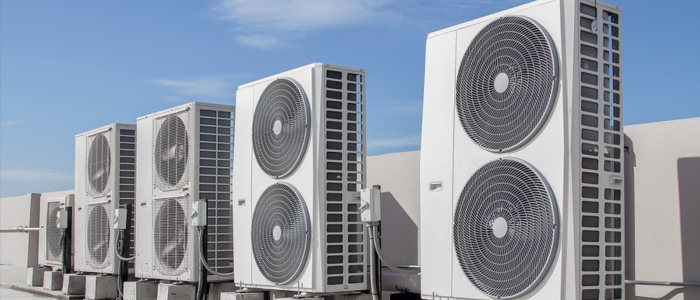
Why HVAC Systems Are Critical for Manufacturing Facilities
Manufacturing facilities operate in some of the most demanding environments for heating, ventilation, and air conditioning systems. Unlike offices or retail spaces, factories generate large amounts of heat, dust, fumes, humidity, and airborne contaminants throughout daily operations. Maintaining the right indoor environment is essential not only for employee comfort but also for equipment performance, product quality, workplace safety, and regulatory compliance.
A poorly designed or poorly maintained HVAC system can lead to production disruptions, increased energy costs, equipment failures, and unhealthy working conditions. As manufacturing industries across India continue to modernize and expand, the demand for reliable and energy-efficient industrial HVAC solutions has become more important than ever.
Vigasa Industries specializes in industrial HVAC systems, factory ventilation solutions, air management systems, and preventive maintenance services designed specifically for manufacturing facilities.
Understanding the Unique HVAC Requirements of Manufacturing Plants
Manufacturing environments present HVAC challenges that are very different from commercial buildings. Production processes often involve heavy machinery, welding operations, chemical handling, packaging lines, industrial ovens, and continuous equipment operation.
These activities generate:
- Excessive heat
- Dust and particulate matter
- Chemical fumes
- Humidity fluctuations
- Smoke and airborne pollutants
- High ventilation demands
An industrial HVAC system must be designed to manage these conditions while ensuring consistent airflow, temperature control, and indoor air quality.
Without proper HVAC planning, manufacturing facilities can experience reduced productivity, increased maintenance costs, and difficulty maintaining operational standards.
Challenge 1: Excessive Heat Generation in Production Areas
One of the most common HVAC challenges in manufacturing plants is excessive heat buildup.
Industrial machinery, motors, compressors, furnaces, and production equipment generate significant heat throughout the day. During summer months, especially in regions like Delhi NCR, Rajasthan, Gujarat, and Maharashtra, indoor temperatures can become extremely uncomfortable and unsafe.
High temperatures can affect:
- Worker productivity
- Equipment efficiency
- Product quality
- Workplace safety
- Energy consumption
When employees work in excessively hot conditions, fatigue levels increase and productivity often decreases.
How to Overcome This Challenge
Manufacturing facilities should implement:
- Industrial ventilation systems
- High-capacity exhaust systems
- Energy-efficient HVAC units
- Air handling units (AHUs)
- Spot cooling solutions
- Proper airflow management
A professionally designed HVAC system helps remove excess heat while maintaining comfortable working temperatures throughout the facility.
Challenge 2: Poor Indoor Air Quality
Air quality is a major concern in industrial environments. Manufacturing processes often release dust, fumes, vapors, smoke, and microscopic particles into the air.
Poor indoor air quality can lead to:
- Respiratory problems
- Employee discomfort
- Reduced productivity
- Equipment contamination
- Increased health risks
Industries such as metal fabrication, woodworking, chemical manufacturing, food processing, and pharmaceuticals are particularly vulnerable to air quality issues.
How to Improve Indoor Air Quality
Manufacturing facilities should invest in:
- Industrial air filtration systems
- Dust collection units
- Exhaust ventilation systems
- Fresh air ventilation solutions
- HEPA filtration systems where required
Proper filtration and ventilation help remove contaminants while maintaining a healthier work environment.
Vigasa Industries provides customized industrial ventilation and air quality management solutions that help manufacturing facilities maintain safe and productive environments.
Challenge 3: High Energy Consumption and Rising Utility Costs
Energy costs continue to be a major concern for manufacturers across India. HVAC systems often account for a significant portion of a facility’s total electricity consumption.
Many factories continue using outdated HVAC equipment that consumes excessive energy while delivering poor performance.
Common causes of high HVAC energy consumption include:
- Inefficient equipment
- Improper system sizing
- Poor maintenance
- Air leakage
- Dirty filters and coils
- Lack of automation
Over time, these issues can dramatically increase operating expenses.
Solutions for Reducing Energy Costs
Manufacturers can lower HVAC-related energy expenses by implementing:
- Energy-efficient HVAC systems
- Variable Frequency Drives (VFDs)
- Smart building automation systems
- High-efficiency chillers
- Variable air volume systems
- Preventive maintenance programs
Modern HVAC technologies allow facilities to optimize cooling and ventilation while reducing power consumption.
Challenge 4: Inadequate Ventilation in Production Areas
Many manufacturing facilities struggle with insufficient airflow and ventilation. Inadequate ventilation allows heat, humidity, dust, and pollutants to accumulate within the workspace.
This can create uncomfortable working conditions and increase the risk of equipment overheating.
Poor ventilation may result in:
- Uneven temperatures
- Stagnant air zones
- Condensation issues
- Reduced worker comfort
- Safety concerns
Effective Ventilation Solutions
Proper industrial ventilation systems should include:
- Roof ventilators
- Industrial exhaust fans
- Air circulation systems
- Mechanical ventilation systems
- Fresh air intake systems
Ventilation systems should be designed based on facility size, production activities, occupancy levels, and heat generation patterns.
Challenge 5: Humidity Control Issues
Humidity management is often overlooked in manufacturing facilities but plays a critical role in many industries.
Excess humidity can cause:
- Corrosion of machinery
- Mold growth
- Product damage
- Packaging issues
- Equipment malfunction
Low humidity can also create problems such as static electricity buildup and material shrinkage.
Industries that require precise humidity control include:
- Pharmaceuticals
- Food processing
- Electronics manufacturing
- Textile production
- Printing industries
How to Maintain Proper Humidity Levels
Facilities should install:
- Humidity control systems
- Dehumidification units
- HVAC-integrated moisture control systems
- Environmental monitoring systems
Proper humidity management helps protect products, equipment, and manufacturing processes.
Challenge 6: HVAC System Downtime and Unexpected Breakdowns
Unexpected HVAC failures can significantly disrupt manufacturing operations.
A breakdown during peak production periods can lead to:
- Production losses
- Equipment shutdowns
- Product quality issues
- Employee discomfort
- Emergency repair expenses
Many HVAC failures occur because of neglected maintenance and aging equipment.
Preventing HVAC Downtime
The best approach is preventive maintenance.
Regular HVAC servicing includes:
- Equipment inspections
- Filter replacement
- Refrigerant checks
- Motor testing
- Electrical inspections
- Airflow performance testing
A structured HVAC AMC program helps identify problems before they lead to major failures.
Businesses can rely on Vigasa Industries for preventive HVAC maintenance programs that minimize downtime and maximize system reliability.
Challenge 7: Maintaining Consistent Temperature Across Large Facilities
Large manufacturing plants often struggle to maintain consistent temperatures throughout the facility.
Factors that contribute to uneven cooling include:
- Poor duct design
- Inadequate airflow balancing
- Large open spaces
- Heat-generating equipment
- Improper HVAC zoning
Temperature variations can impact employee comfort and product quality.
Solutions for Temperature Consistency
Manufacturers should implement:
- HVAC zoning systems
- Proper ductwork design
- Air balancing services
- Variable air volume systems
- Automated temperature controls
These solutions help maintain uniform environmental conditions throughout the facility.
Challenge 8: Compliance with Workplace Safety and Environmental Standards
Industrial facilities must comply with various workplace safety and environmental regulations regarding air quality, ventilation, and employee health.
Failure to maintain proper HVAC performance can result in:
- Regulatory penalties
- Worker health concerns
- Operational disruptions
- Increased liability risks
Proper HVAC design and maintenance help facilities meet industry standards and create safer workplaces.
Compliance-Focused HVAC Solutions
Manufacturers should regularly evaluate:
- Ventilation performance
- Air filtration efficiency
- Exhaust system effectiveness
- Indoor air quality metrics
- Environmental monitoring systems
Regular audits and maintenance ensure compliance with applicable safety standards.
The Role of HVAC Automation in Modern Manufacturing Facilities
Industrial HVAC systems are becoming increasingly intelligent through automation and smart controls.
Modern HVAC automation allows facilities to:
- Monitor system performance in real time
- Adjust airflow automatically
- Optimize energy consumption
- Detect maintenance issues early
- Improve operational efficiency
Smart HVAC technologies help manufacturers reduce costs while improving reliability and environmental control.
Features often include:
- IoT-enabled monitoring
- Building Management Systems (BMS)
- Predictive maintenance alerts
- Automated temperature controls
- Energy management dashboards
Why Preventive HVAC Maintenance is Essential for Factories
Preventive maintenance is one of the most effective ways to overcome common HVAC challenges.
A proactive maintenance program helps:
- Extend equipment lifespan
- Improve energy efficiency
- Reduce breakdown risks
- Lower repair costs
- Maintain indoor air quality
- Improve system reliability
Facilities that invest in routine HVAC servicing often experience fewer operational disruptions and lower overall ownership costs.
Choosing the Right Industrial HVAC Partner
Overcoming HVAC challenges requires more than just installing equipment. Manufacturers need an experienced HVAC partner that understands industrial environments and can provide customized solutions.
A reliable HVAC contractor should offer:
- Industrial HVAC expertise
- Ventilation engineering
- Energy-efficient solutions
- Preventive maintenance programs
- Fast technical support
- Turnkey project execution
The right HVAC partner helps businesses improve productivity, reduce operational costs, and create safer manufacturing environments.
Manufacturing facilities looking for reliable industrial HVAC solutions can trust Vigasa Industries for customized HVAC system design, industrial ventilation, energy-efficient cooling solutions, preventive maintenance services, and long-term operational support tailored to modern manufacturing environments.