
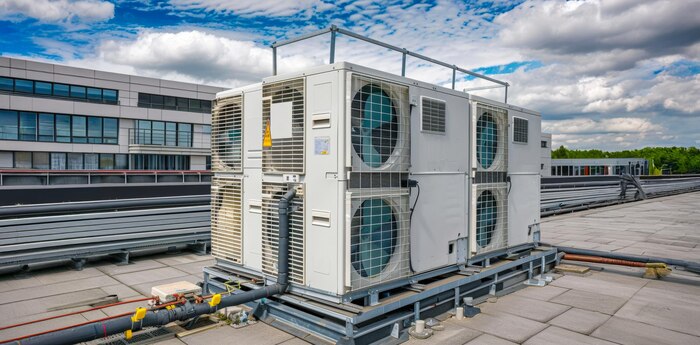
In commercial and industrial infrastructure, HVAC systems are the backbone of indoor comfort, operational efficiency, and air quality management. However, the performance of any HVAC system does not begin at installation — it begins at the design table.
Proper HVAC design and planning before installation is critical to ensure energy efficiency, system reliability, and long-term cost savings. Without structured planning, even the most advanced equipment can underperform.
Organizations that invest in professional design services from experts like Vigasa Industries Pvt. Ltd. benefit from optimized system performance and reduced lifecycle costs.
What is HVAC Design & Planning?
HVAC design and planning is the engineering process of creating an efficient heating, ventilation, and air conditioning system tailored to a building’s structure, usage, and load requirements.
It involves:
- Heat load calculations
- Equipment selection
- Ducting layout design
- Ventilation planning
- Utility piping design
- Energy optimization strategy
A properly designed HVAC system installation ensures balanced airflow, consistent temperature control, and efficient power consumption.
Turnkey experts such as Vigasa Industries Pvt. Ltd. provide integrated HVAC design & execution services to eliminate performance gaps.
HVAC Design & Planning: Breaking the Basics
Many businesses assume HVAC planning is limited to selecting air conditioners or chillers. In reality, it is a multidisciplinary engineering exercise.
Proper planning evaluates:
- Building orientation
- Occupancy density
- Heat-generating equipment
- Fresh air requirements
- Insulation factors
- Operational hours
Without these considerations, commercial HVAC systems and industrial HVAC solutions may face airflow imbalance, energy wastage, and frequent breakdowns.
Professional HVAC consultants ensure every parameter is engineered before installation begins.
How Does Proper HVAC Design Work?
A structured HVAC design process follows a step-by-step technical framework.
- Site Survey & Requirement Analysis
Engineers study building layout, usage patterns, and environmental exposure.
- Heat Load Calculation
Cooling and heating loads are calculated using industry standards.
- System Selection
Choosing between VRV/VRF systems, chillers, centralized AC, or packaged units.
- Ducting & Ventilation Design
Airflow distribution planning ensures uniform cooling.
- Piping & Utility Planning
Refrigerant and chilled water piping layouts are engineered.
- Energy Efficiency Mapping
Focus on reducing operational power consumption.
At Vigasa Industries Pvt. Ltd., this entire process is handled in-house, ensuring seamless transition from planning to execution.
Key Advantages of Proper HVAC Design & Planning
Discussing system efficiency naturally leads to the benefits of investing in professional HVAC planning services before installation.
Energy Efficiency
Optimized layouts reduce electricity consumption.
Correct Equipment Sizing
Prevents oversizing or undersizing of systems.
Uniform Air Distribution
Ensures balanced cooling across zones.
Lower Installation Cost
Accurate planning minimizes material wastage.
Reduced Breakdowns
Engineered systems perform reliably.
Long-Term Cost Savings
Efficient systems reduce operational expenses.
With expert engineering from Vigasa Industries Pvt. Ltd., businesses achieve performance-driven HVAC turnkey solutions
Why Investing in HVAC Design Before Installation is Critical?
Skipping the design phase often leads to expensive corrective work later.
Improper planning can cause:
- Hot & cold spots
- High energy bills
- Excessive noise levels
- Airflow imbalance
- Frequent compressor failures
Professional HVAC system design eliminates these risks by aligning system capacity with real-time building demands.
Vigasa Industries Pvt. Ltd. integrates advanced simulation tools and engineering standards to deliver future-ready HVAC infrastructure.
Ideal Applications for Professional HVAC Design
Proper HVAC planning is essential for:
- Hospitals & Healthcare Facilities
- Pharmaceutical Units
- Manufacturing Plants
- Warehouses
- Commercial Offices
- Hotels & Malls
- Educational Institutions
- Clean Rooms & Laboratories
These environments require precise climate control, ventilation compliance, and operational continuity — achievable only through expert design.
Plan Smart HVAC Systems with Vigasa Industries Pvt. Ltd.
Partner with Vigasa Industries Pvt. Ltd. for professional HVAC design and planning services tailored to your infrastructure needs.
From commercial HVAC installation to industrial ventilation systems, Vigasa delivers engineered solutions that optimize comfort, efficiency, and operational performance.
Their turnkey expertise ensures every HVAC project is executed with technical precision and lifecycle value in mind.
Conclusion
Proper HVAC design & planning before installation is the foundation of system efficiency and long-term reliability.
By investing in professional engineering services from experts like Vigasa Industries Pvt. Ltd., businesses prevent costly errors, reduce energy consumption, and ensure seamless climate control.
A well-designed HVAC system not only enhances comfort but also drives operational productivity and sustainability — making design the most critical phase of any HVAC project.
Frequently Asked Questions
Proper HVAC system design ensures energy efficiency, correct equipment sizing, and uniform airflow distribution.
Yes. Improper planning leads to higher installation expenses, energy bills, and frequent repairs.
Professional HVAC consultants or turnkey contractors like Vigasa Industries Pvt. Ltd. should manage system planning.
Absolutely. Commercial HVAC services focus on comfort, while industrial HVAC solutions prioritize process cooling and ventilation.
Yes. Engineered systems face less strain, resulting in longer equipment life and lower maintenance costs.