
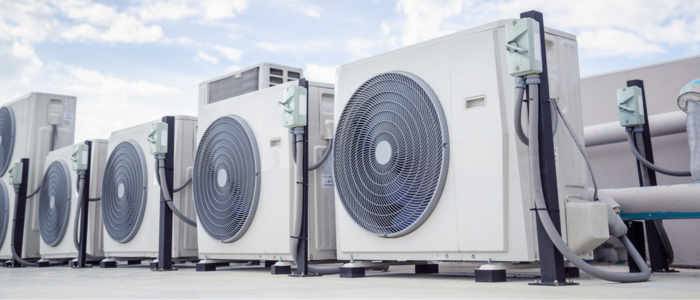
Why HVAC Systems Are Critical in Modern Healthcare Facilities
Hospitals and healthcare facilities operate in one of the most demanding indoor environments. Unlike traditional commercial buildings, hospitals must maintain precise temperature control, humidity management, air filtration, and ventilation standards around the clock. Every department within a healthcare facility—from patient rooms and operation theatres to laboratories and intensive care units—depends on a reliable HVAC system to ensure patient safety, staff comfort, and regulatory compliance.
A poorly designed or inefficient HVAC system can impact infection control, indoor air quality, medical equipment performance, and overall healthcare outcomes. This is why commercial HVAC solutions for hospitals require specialized engineering, advanced air management technologies, and continuous maintenance to deliver safe and consistent performance.
Vigasa Industries provides customized HVAC solutions for hospitals, healthcare facilities, medical institutions, and specialized healthcare environments across India, ensuring efficient climate control and compliance with industry standards.
Understanding HVAC Requirements in Healthcare Facilities
Unlike office buildings or commercial complexes, healthcare facilities have highly specific environmental requirements. Different areas within a hospital often require completely different temperature, humidity, and air pressure conditions.
For example:
- Operation theatres require sterile air environments.
- Intensive Care Units (ICUs) need precise temperature control.
- Isolation rooms require negative air pressure systems.
- Laboratories need controlled ventilation.
- Patient wards require consistent comfort conditions.
- Pharmaceutical storage rooms require strict environmental control.
A healthcare HVAC system must support all these requirements simultaneously while operating continuously throughout the year.
The Role of HVAC in Infection Prevention and Control
One of the most important functions of a hospital HVAC system is infection control.
Airborne contaminants, bacteria, viruses, and pathogens can spread rapidly if ventilation systems are not properly designed and maintained. Healthcare HVAC systems help minimize these risks through controlled airflow, filtration, and pressure management.
Proper HVAC design contributes to:
- Reduced airborne infection transmission
- Improved patient safety
- Cleaner indoor environments
- Better air circulation
- Compliance with healthcare regulations
Hospitals depend heavily on HVAC systems to maintain safe and hygienic conditions throughout the facility.
Importance of Indoor Air Quality in Hospitals
Indoor Air Quality (IAQ) directly affects patients, healthcare workers, and visitors.
Patients recovering from illness or surgery are often more vulnerable to airborne contaminants. Poor air quality can increase infection risks and negatively impact recovery outcomes.
Modern healthcare HVAC systems improve indoor air quality by:
- Removing airborne particles
- Filtering contaminants
- Managing humidity levels
- Controlling odors
- Increasing fresh air ventilation
Maintaining superior indoor air quality has become a key priority for hospitals, clinics, diagnostic centers, and healthcare institutions.
Temperature Control Requirements in Healthcare Facilities
Hospitals operate continuously and require stable indoor temperatures throughout the year.
Different departments have unique temperature requirements:
Operation Theatres
Surgical procedures require tightly controlled temperatures to maintain sterile conditions and support medical equipment performance.
Intensive Care Units (ICUs)
ICUs require consistent environmental conditions to ensure patient comfort and stability.
Patient Rooms
Comfortable temperatures help improve patient recovery and satisfaction.
Laboratories
Medical testing equipment often requires controlled temperature environments for accurate results.
Pharmaceutical Storage Areas
Many medicines and vaccines require specific temperature ranges to maintain effectiveness.
Commercial HVAC systems must be designed to deliver precise temperature control across all healthcare spaces.
Humidity Control in Hospitals and Medical Facilities
Humidity management is equally important in healthcare environments.
Excess humidity can encourage:
- Mold growth
- Bacterial development
- Equipment damage
- Indoor air quality issues
Low humidity can result in:
- Respiratory discomfort
- Static electricity problems
- Increased airborne particle movement
Advanced HVAC systems maintain optimal humidity levels to support infection control, occupant comfort, and equipment protection.
Ventilation Systems for Healthcare Facilities
Proper ventilation is one of the most critical aspects of hospital HVAC design.
Healthcare facilities require a continuous supply of fresh, filtered air while safely removing contaminated air from sensitive areas.
Effective ventilation systems provide:
- Fresh air circulation
- Air contaminant removal
- Pressure control
- Odor management
- Enhanced infection prevention
Ventilation requirements vary significantly depending on the specific healthcare area being served.
Positive and Negative Pressure Rooms
Air pressure control is a key component of hospital HVAC systems.
Positive Pressure Rooms
Positive pressure rooms prevent contaminated air from entering sensitive environments.
Common applications include:
- Operation theatres
- Clean rooms
- Pharmaceutical manufacturing spaces
- Sterile processing departments
Negative Pressure Rooms
Negative pressure rooms prevent airborne contaminants from escaping into surrounding areas.
These rooms are commonly used for:
- Isolation wards
- Infectious disease treatment areas
- Tuberculosis treatment rooms
- Specialized quarantine facilities
Proper pressure management is essential for maintaining safe healthcare environments.
Air Filtration Systems in Healthcare HVAC Solutions
Healthcare facilities require advanced air filtration systems to maintain clean indoor environments.
Modern hospital HVAC systems often incorporate:
HEPA Filtration Systems
High-Efficiency Particulate Air (HEPA) filters remove microscopic particles, bacteria, and airborne contaminants.
Multi-Stage Filtration
Multiple filtration stages improve overall air quality and system performance.
Specialized Medical Air Filtration
Certain healthcare environments require enhanced filtration to meet strict infection-control standards.
Advanced filtration systems help create safer indoor environments for patients and healthcare professionals.
Chiller Systems for Hospital Cooling Applications
Large hospitals often rely on centralized chiller systems to meet extensive cooling demands.
Chiller systems offer:
- High cooling capacity
- Energy-efficient operation
- Reliable temperature control
- Continuous performance
Hospitals operate 24/7, making chiller reliability a critical factor in healthcare HVAC design.
Modern energy-efficient chillers help healthcare facilities reduce operational costs while maintaining performance.
Air Handling Units (AHUs) in Hospital HVAC Systems
Air Handling Units play a vital role in healthcare ventilation and air distribution.
AHUs are responsible for:
- Air filtration
- Air circulation
- Temperature regulation
- Humidity control
- Fresh air intake
Healthcare facilities often require dedicated AHUs for different departments to ensure precise environmental control.
Properly designed AHUs improve both patient comfort and infection prevention efforts.
Energy Efficiency in Healthcare HVAC Systems
Hospitals are among the highest energy-consuming buildings due to their continuous operation.
HVAC systems account for a significant portion of total energy consumption.
Modern energy-efficient HVAC technologies help hospitals reduce costs through:
- Variable Frequency Drives (VFDs)
- Energy recovery systems
- Smart building controls
- High-efficiency chillers
- Demand-based ventilation
Energy-efficient HVAC systems support sustainability goals while lowering operating expenses.
Challenges Healthcare Facilities Face with HVAC Systems
Managing HVAC systems in hospitals presents several unique challenges.
Common issues include:
- Maintaining continuous operation
- Managing diverse environmental requirements
- Preventing airborne contamination
- Controlling humidity levels
- Reducing energy consumption
- Supporting regulatory compliance
These challenges require specialized HVAC expertise and customized engineering solutions.
Importance of HVAC AMC Services for Hospitals
Because healthcare facilities operate continuously, preventive maintenance is essential.
HVAC Annual Maintenance Contracts (AMC) help ensure:
- Consistent system performance
- Reduced breakdowns
- Improved energy efficiency
- Extended equipment life
- Better indoor air quality
Routine maintenance includes:
- Filter replacement
- Coil cleaning
- Airflow balancing
- Chiller inspection
- AHU servicing
- Control system testing
Preventive maintenance minimizes downtime and helps maintain safe healthcare environments.
Vigasa Industries offers comprehensive HVAC AMC services, preventive maintenance programs, and performance optimization solutions for hospitals and healthcare facilities throughout India.
Choosing the Right HVAC Partner for Healthcare Projects
Healthcare HVAC projects require specialized knowledge, advanced engineering capabilities, and strict attention to compliance requirements.
When selecting an HVAC contractor, healthcare organizations should consider:
- Experience with hospital HVAC systems
- Healthcare project expertise
- Design and engineering capabilities
- Installation quality
- Maintenance support
- Regulatory compliance knowledge
A reliable HVAC partner ensures long-term system performance, operational efficiency, and patient safety.
Specialized HVAC Solutions for Different Healthcare Facilities
Healthcare HVAC requirements vary depending on the type of facility.
Multi-Specialty Hospitals
Require advanced centralized HVAC systems with department-specific controls.
Diagnostic Centers
Need precise temperature and humidity management for testing equipment.
Clinics and Medical Offices
Require comfortable indoor environments and reliable ventilation systems.
Pharmaceutical Facilities
Need highly controlled environments with advanced filtration systems.
Laboratories
Require specialized ventilation and pressure control systems.
Each facility requires customized HVAC solutions based on operational needs and regulatory standards.
Future Trends in Healthcare HVAC Systems
Healthcare facilities are increasingly adopting advanced HVAC technologies to improve performance and sustainability.
Emerging trends include:
- Smart HVAC automation
- IoT-based monitoring systems
- Predictive maintenance technologies
- Energy-efficient cooling systems
- Advanced air purification technologies
- Sustainable building integration
These innovations help healthcare facilities improve efficiency while enhancing patient care environments.
Commercial HVAC Solutions That Support Better Healthcare Outcomes
A properly designed and maintained HVAC system is one of the most important investments a healthcare facility can make. From infection control and air quality management to energy efficiency and patient comfort, HVAC systems directly impact the overall performance of healthcare environments.
By investing in advanced commercial HVAC solutions, hospitals and healthcare facilities can create safer, healthier, and more efficient spaces that support both patient recovery and operational excellence.
Vigasa Industries specializes in designing, installing, and maintaining commercial HVAC systems for hospitals, healthcare institutions, laboratories, and medical facilities, delivering reliable climate control solutions tailored to the unique demands of the healthcare sector.