
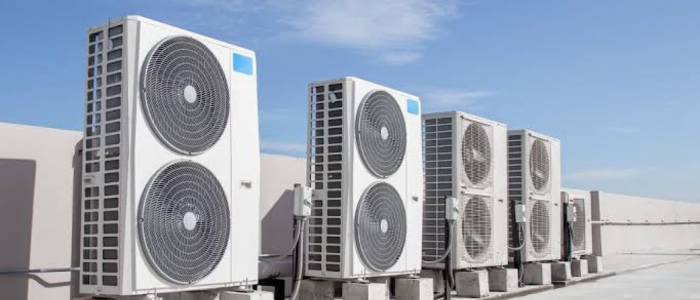
Why HVAC Upgrades Have Become a Business Priority?
For many businesses, the HVAC system is often treated as a background utility—something that works quietly until a major problem occurs. However, in commercial and industrial environments, HVAC systems directly impact employee productivity, customer comfort, equipment performance, energy consumption, and operational costs.
As buildings age and business requirements evolve, older HVAC systems often struggle to deliver the efficiency and performance needed in today’s competitive environment. What may have been an ideal system ten years ago might now be consuming excessive energy, requiring frequent repairs, and failing to provide consistent indoor comfort.
This is why more businesses across India are evaluating whether their current HVAC system is still meeting operational requirements or if it’s time for an upgrade.
Vigasa Industries helps commercial and industrial businesses assess existing HVAC infrastructure and implement modern, energy-efficient HVAC upgrades that improve performance while reducing long-term operating costs.
Understanding the Difference Between HVAC Repair and HVAC Upgrade
One of the most common questions business owners ask is whether they should continue repairing their HVAC system or invest in an upgrade.
While routine repairs and maintenance can extend equipment life, there comes a point when frequent repairs become more expensive than replacing or upgrading the system.
An HVAC upgrade does not always mean replacing the entire system. Depending on the condition of the equipment, businesses may upgrade:
- Compressors
- Air handling units
- Chillers
- Ventilation systems
- Control systems
- Thermostats
- Ductwork
- Energy management systems
The goal is to improve efficiency, reliability, and overall system performance.
1: Rising Energy Bills Without Increased Usage
One of the clearest indicators that an HVAC system may need upgrading is a steady increase in electricity costs despite no major change in operations.
Older HVAC systems gradually lose efficiency due to:
- Worn-out components
- Aging compressors
- Dirty coils
- Refrigerant issues
- Outdated technology
As efficiency decreases, the system consumes more electricity to deliver the same cooling performance.
Businesses often notice:
- Higher monthly utility bills
- Increased operating expenses
- Longer equipment run times
If energy costs continue rising despite regular maintenance, upgrading to an energy-efficient HVAC system can generate significant long-term savings.
2: Frequent Breakdowns and Costly Repairs
Every HVAC system requires occasional repairs. However, when breakdowns become frequent, it may indicate that the equipment has reached the end of its practical service life.
Common warning signs include:
- Repeated compressor failures
- Electrical issues
- Refrigerant leaks
- Fan motor problems
- Control system malfunctions
Frequent repairs create several challenges:
- Increased maintenance costs
- Operational disruptions
- Employee discomfort
- Production downtime
When annual repair costs begin approaching the cost of a system upgrade, investing in a new HVAC solution often becomes the smarter financial decision.
3: Inconsistent Cooling Across the Facility
Many businesses experience uneven cooling throughout their buildings as HVAC systems age.
Common complaints include:
- Hot and cold spots
- Uneven airflow
- Temperature fluctuations
- Inadequate cooling during peak summer months
These issues often occur because:
- The original system is undersized
- Business operations have expanded
- Ductwork has deteriorated
- Equipment performance has declined
Inconsistent cooling affects employee comfort, customer experience, and workplace productivity.
Modern HVAC upgrades can improve airflow management and provide more consistent environmental control.
4: Your HVAC System Is More Than 10–15 Years Old
Age alone does not necessarily mean an HVAC system must be replaced. However, most commercial and industrial HVAC systems have an average lifespan of approximately 10 to 20 years depending on maintenance, usage, and operating conditions.
Older systems often suffer from:
- Reduced energy efficiency
- Higher maintenance requirements
- Outdated technology
- Limited spare part availability
Even if the system is still operational, it may be costing far more to run than a modern energy-efficient alternative.
Businesses operating older systems should consider a professional HVAC assessment to determine whether upgrading would provide better long-term value.
Vigasa Industries provides HVAC performance audits and system evaluations to help businesses determine the most cost-effective upgrade strategy.
5: Indoor Air Quality Problems Are Increasing
Indoor air quality has become a major concern in modern workplaces. Employees spend long hours indoors, and poor air quality can negatively affect health, productivity, and comfort.
Older HVAC systems may struggle to manage:
- Dust accumulation
- Airborne contaminants
- Humidity levels
- Ventilation requirements
- Fresh air circulation
Poor indoor air quality can lead to:
- Employee discomfort
- Increased sick leave
- Reduced productivity
- Customer complaints
Modern HVAC systems incorporate advanced filtration, ventilation, and air purification technologies that significantly improve indoor environments.
6: Business Expansion Has Increased Cooling Requirements
Many businesses outgrow the HVAC system originally installed in their facility.
This often happens when companies:
- Add production equipment
- Increase employee occupancy
- Expand office areas
- Add new floors or workspaces
- Increase operating hours
As cooling demands grow, older HVAC systems may struggle to maintain comfortable temperatures.
An HVAC upgrade helps ensure the system can support current operations while accommodating future growth.
7: Difficulty Finding Spare Parts
As HVAC equipment ages, manufacturers may discontinue certain models and components.
This creates challenges such as:
- Longer repair times
- Higher replacement part costs
- Limited service availability
Businesses relying on outdated equipment often face extended downtime when parts are unavailable.
Upgrading to newer systems provides access to readily available components, manufacturer support, and improved serviceability.
8: HVAC System Lacks Modern Energy-Efficient Technology
HVAC technology has evolved significantly over the last decade.
Many older systems lack energy-saving features such as:
- Variable Frequency Drives (VFDs)
- Smart thermostats
- Building automation integration
- Energy recovery systems
- Variable air volume controls
- Advanced chiller technologies
Modern systems can reduce energy consumption while improving overall performance.
Businesses focused on sustainability and cost reduction often find HVAC upgrades to be one of the most effective investments they can make.
9: Increased Employee Complaints About Comfort
Employee comfort plays a major role in workplace productivity.
When HVAC systems fail to maintain comfortable conditions, businesses often experience complaints regarding:
- Excessive heat
- Poor airflow
- Humidity problems
- Temperature fluctuations
These issues can affect morale, productivity, and employee satisfaction.
Upgrading HVAC systems helps create a more comfortable and productive working environment.
10: Regulatory and Sustainability Requirements Are Changing
Many industries are now expected to meet stricter energy-efficiency and environmental standards.
Older HVAC systems may not comply with modern sustainability goals or energy-performance expectations.
Businesses upgrading HVAC systems can benefit from:
- Lower carbon emissions
- Improved energy efficiency
- Better environmental compliance
- Enhanced corporate sustainability initiatives
Modern HVAC technologies support green building objectives and long-term operational efficiency.
Financial Benefits of Upgrading an Existing HVAC System
Many businesses focus only on the upfront cost of upgrading. However, the long-term financial benefits often outweigh the initial investment.
An upgraded HVAC system can provide:
- Lower energy bills
- Reduced repair costs
- Improved equipment reliability
- Extended system lifespan
- Better operational efficiency
- Increased property value
In many cases, businesses recover their investment through energy savings and reduced maintenance expenses over time.
Industries That Benefit Most from HVAC Upgrades
Manufacturing Facilities
Factories require reliable cooling and ventilation for equipment protection and worker comfort.
Warehouses and Logistics Centers
Temperature control and airflow management are essential for inventory protection and operational efficiency.
Office Buildings
Employee productivity and indoor comfort improve significantly with modern HVAC systems.
Hospitals and Healthcare Facilities
Healthcare environments require strict temperature and air quality control.
Hotels and Hospitality Projects
Guest satisfaction depends heavily on reliable and efficient climate control.
Why Professional HVAC Assessment Is Important Before Upgrading?
Every facility has unique cooling and ventilation requirements. Before investing in a new system, businesses should conduct a professional HVAC assessment.
This process typically includes:
- Cooling load analysis
- Equipment condition evaluation
- Energy consumption review
- Ventilation performance assessment
- Future growth planning
A professional evaluation ensures the upgraded system is properly sized and aligned with business requirements.
Vigasa Industries provides detailed HVAC audits, system modernization solutions, energy-efficiency consulting, and turnkey upgrade services for commercial and industrial facilities across India.
Choosing the Right HVAC Upgrade Strategy
Not every facility requires a complete HVAC replacement. In many cases, targeted upgrades can significantly improve performance and efficiency.
Potential upgrade options include:
- Chiller replacement
- AHU modernization
- Smart control system integration
- Ventilation upgrades
- Ductwork improvements
- Energy management systems
- High-efficiency HVAC equipment
The right strategy depends on the condition of the existing system, operational goals, and budget considerations.
Businesses that proactively upgrade aging HVAC systems often achieve lower operating costs, improved comfort, greater reliability, and stronger long-term performance. Working with an experienced HVAC partner ensures the upgrade delivers maximum value while supporting future business growth.