
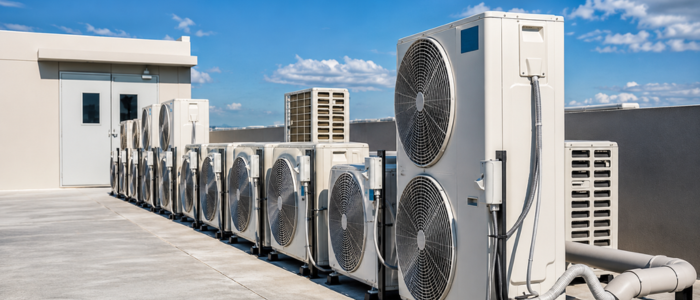
Why Chiller Systems Are the Backbone of Modern Cooling Infrastructure
As commercial buildings and industrial facilities continue to grow in size and complexity, maintaining efficient temperature control has become a critical operational requirement. Whether it is a corporate office, shopping mall, hospital, pharmaceutical plant, manufacturing facility, data center, or warehouse, cooling systems play a vital role in ensuring smooth operations, employee comfort, equipment protection, and product quality.
Among the various HVAC technologies available today, chiller systems are considered one of the most reliable and efficient solutions for large-scale cooling applications. Unlike conventional air conditioning systems that cool individual spaces directly, chillers remove heat from a liquid and distribute chilled water throughout a building or facility to provide centralized cooling.
This ability to deliver consistent cooling across large areas makes chiller systems a preferred choice for commercial and industrial projects across India.
Vigasa Industries provides customized chiller-based HVAC solutions, industrial cooling systems, commercial HVAC installations, and maintenance services for businesses across India.
Understanding What a Chiller System Is
A chiller is a refrigeration-based system that removes heat from water or another liquid and transfers that heat to the outside environment. The chilled water is then circulated through air handling units (AHUs), fan coil units (FCUs), or process cooling equipment to maintain the desired temperature.
Unlike standalone air conditioners, chillers are designed for large-scale cooling requirements where multiple zones or large facilities need continuous and efficient temperature control.
The primary function of a chiller system is simple:
- Remove heat from indoor spaces or industrial processes
- Produce chilled water
- Distribute cooling throughout the facility
- Maintain consistent temperature levels
Because of their efficiency and scalability, chiller systems are widely used in both commercial and industrial environments.
Why Chiller Systems Are Important for Commercial and Industrial Facilities
Large buildings and industrial operations generate substantial amounts of heat due to equipment, machinery, lighting, occupancy, and production activities.
Traditional cooling systems often struggle to handle such large cooling loads efficiently. Chiller systems are specifically designed to meet these demands while maintaining energy efficiency and operational reliability.
Key benefits include:
- Centralized cooling management
- Energy-efficient operation
- Consistent temperature control
- Scalability for large facilities
- Lower long-term operational costs
- Improved equipment performance
- Better indoor comfort
These advantages make chillers an essential component of modern HVAC infrastructure.
How Chiller Systems Work
To understand the role of chillers, it is important to understand the basic cooling cycle.
A chiller system generally consists of:
- Compressor
- Evaporator
- Condenser
- Expansion valve
- Chilled water distribution network
The process begins when the chiller absorbs heat from the chilled water loop. The refrigerant inside the system removes this heat and transfers it through the condenser to the outside environment.
The cooled water is then circulated throughout the building or industrial facility to provide cooling where needed.
This continuous cycle allows chillers to maintain stable temperatures even under heavy operational loads.
Types of Chiller Systems Used in Commercial and Industrial Applications
Different facilities require different types of chillers depending on cooling capacity, environmental conditions, and operational requirements.
Air-Cooled Chillers
Air-cooled chillers use ambient air to remove heat from the refrigerant.
These systems are popular because they:
- Require less installation space
- Do not need cooling towers
- Have lower water consumption
- Are easier to maintain
Air-cooled chillers are commonly used in:
- Office buildings
- Shopping malls
- Hotels
- Educational institutions
- Medium-sized industrial facilities
They are particularly suitable for locations where water availability is limited.
Water-Cooled Chillers
Water-cooled chillers use water and cooling towers to reject heat.
They are known for:
- Higher efficiency
- Better performance under heavy loads
- Lower operating costs for large facilities
Water-cooled chillers are commonly installed in:
- Large commercial complexes
- Hospitals
- Manufacturing plants
- Airports
- Data centers
Although the installation cost is typically higher, they often provide superior long-term efficiency.
Scroll Chillers
Scroll chillers are compact and highly efficient for moderate cooling requirements.
They are often used in:
- Small commercial buildings
- Office spaces
- Retail facilities
- Educational campuses
Their simple design makes them reliable and easy to maintain.
Screw Chillers
Screw chillers are designed for larger commercial and industrial applications.
Advantages include:
- High cooling capacity
- Continuous operation capability
- Energy-efficient performance
- Long equipment lifespan
These chillers are widely used in manufacturing industries and large-scale commercial projects.
Centrifugal Chillers
Centrifugal chillers are among the most powerful cooling systems available.
They are typically installed in:
- Airports
- Mega commercial projects
- Large hospitals
- Industrial campuses
- District cooling systems
These systems provide exceptional efficiency for facilities with very high cooling demands.
Vigasa Industries helps businesses select and install the most suitable chiller system based on building size, cooling load, operational requirements, and energy-efficiency goals.
Commercial Applications of Chiller Systems
Chiller systems are extensively used in commercial buildings where large-scale and consistent cooling is essential.
Office Buildings
Modern office buildings require comfortable indoor environments to improve employee productivity and workplace efficiency.
Chillers help maintain:
- Consistent temperatures
- Better indoor air quality
- Lower energy costs
- Comfortable workspaces
Shopping Malls
Shopping centers experience high occupancy and significant internal heat loads.
Chiller systems provide:
- Uniform cooling
- Efficient energy management
- Comfortable shopping environments
Hospitals and Healthcare Facilities
Healthcare facilities require strict environmental control for patient comfort and medical operations.
Chiller systems support:
- Critical temperature control
- Indoor air quality management
- Reliable 24/7 operation
Hotels and Hospitality Projects
Hotels depend on uninterrupted cooling to maintain guest satisfaction.
Centralized chiller systems allow efficient cooling across:
- Guest rooms
- Conference halls
- Restaurants
- Common areas
Industrial Applications of Chiller Systems
Industrial facilities often use chillers not only for comfort cooling but also for process cooling.
Manufacturing Facilities
Industrial machinery generates substantial heat during production.
Chillers help:
- Prevent equipment overheating
- Maintain production efficiency
- Improve workplace comfort
Pharmaceutical Industries
Temperature control is critical for pharmaceutical production and storage.
Chiller systems help maintain:
- Controlled environments
- Product quality
- Regulatory compliance
Food Processing Plants
Food manufacturing requires precise temperature management to preserve product quality and safety.
Chillers support:
- Process cooling
- Cold storage operations
- Packaging environments
Data Centers
Servers and IT equipment generate significant heat.
Chillers play a crucial role in:
- Equipment protection
- System reliability
- Continuous operation
Even small temperature fluctuations can affect data center performance, making chillers indispensable.
Energy Efficiency Benefits of Chiller Systems
Energy efficiency is one of the biggest reasons businesses choose chiller-based HVAC systems.
Modern chillers are designed to:
- Optimize power consumption
- Reduce operational costs
- Improve cooling performance
- Support sustainability goals
Advanced technologies include:
- Variable Frequency Drives (VFDs)
- Smart control systems
- Magnetic bearing compressors
- Energy recovery systems
- Automated monitoring platforms
These innovations allow businesses to significantly reduce electricity expenses over time.
Common Challenges in Chiller Operations
Although chillers are highly reliable, facilities may face challenges if systems are not properly designed or maintained.
Common issues include:
- Reduced cooling efficiency
- High energy consumption
- Refrigerant leaks
- Poor water quality
- Fouled heat exchangers
- Improper load management
Many of these problems result from inadequate maintenance and system neglect.
Importance of Chiller Maintenance and AMC Services
Regular maintenance is essential for maximizing chiller performance and lifespan.
Preventive maintenance helps:
- Improve energy efficiency
- Reduce downtime
- Prevent costly repairs
- Extend equipment life
- Maintain cooling performance
A professional chiller maintenance program typically includes:
- Refrigerant inspection
- Condenser cleaning
- Water treatment
- Compressor testing
- Electrical inspections
- Performance monitoring
Facilities that invest in preventive maintenance generally experience lower operating costs and fewer system failures.
Vigasa Industries offers comprehensive HVAC AMC services, chiller maintenance programs, system optimization, and technical support to ensure uninterrupted cooling performance.
Smart Chiller Technologies Transforming Modern Facilities
Modern chiller systems are becoming increasingly intelligent through automation and digital monitoring.
Today’s smart chillers offer:
- Real-time performance monitoring
- Predictive maintenance alerts
- Remote diagnostics
- Automated energy optimization
- Building Management System (BMS) integration
These technologies help facility managers improve efficiency while reducing operational risks.
As businesses continue to focus on sustainability and cost reduction, smart chiller systems are becoming an essential part of modern commercial and industrial infrastructure.
Choosing the Right Chiller System for Your Facility
Selecting the right chiller system requires careful evaluation of:
- Cooling load requirements
- Facility size
- Operational hours
- Energy-efficiency goals
- Future expansion plans
- Maintenance requirements
An improperly sized chiller can lead to higher costs, reduced efficiency, and operational challenges.
Working with experienced HVAC professionals ensures the system is correctly designed and optimized for long-term performance.
Businesses looking for reliable commercial and industrial cooling solutions can trust Vigasa Industries for chiller system design, installation, maintenance, energy optimization, and customized HVAC solutions tailored to their specific operational needs.